The Medici Family: How Patronage Created the Renaissance Human (2026)
An exploration of how the Medici family used strategic wealth and intellectual patronage to engineer the rebirth of Western civilization and the polymath ideal.
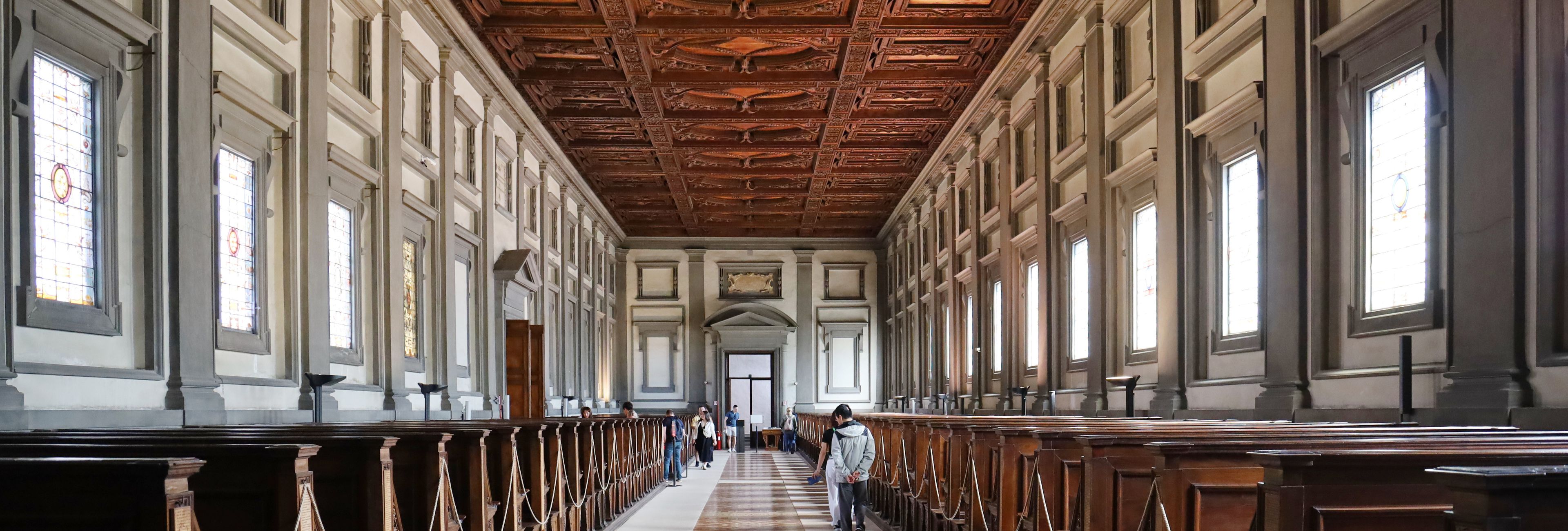
The Strategic Architecture of the Medici Family Wealth
History is rarely the result of random genius. It is more often the result of genius being given the resources to breathe. When we look at the explosion of creativity in fifteenth century Florence, we are not looking at a spontaneous atmospheric shift in human consciousness. We are looking at the deliberate application of capital by the Medici family. They did not merely collect art; they engineered an ecosystem where the pursuit of knowledge was the highest form of social currency. The Medici family understood a fundamental truth that we often forget in the modern age: the bridge between raw talent and world changing innovation is always funded by someone who understands the value of a legacy.
Cosimo the Elder did not view his banking empire as the end goal. He viewed it as the fuel for a larger project. By funding the Platonic Academy and inviting scholars from across the Mediterranean, he shifted the focus of power from mere land ownership to intellectual dominance. This was the birth of the Renaissance human, a figure who refused to be categorized by a single trade. The Medici did not want specialists; they wanted polymaths. They recognized that the intersection of commerce, philosophy, and art was where the most potent disruptions occur. In 2026, as we navigate the rise of agentic systems and autonomous intelligence, the Medici model of strategic intellectual investment remains the gold standard for anyone attempting to build a lasting cultural legacy.
The brilliance of the Medici family lay in their ability to operate in the shadows of power. They were not kings by blood, but they were kings by influence. By positioning themselves as the indispensable patrons of the church and the state, they created a shield of cultural prestige that protected their financial interests. This is the essence of soft power. They understood that a city that produces the greatest paintings and the most profound philosophy is a city that the world respects and obeys. Their investment in the humanities was not a charity project; it was a sophisticated geopolitical strategy designed to ensure their family remained at the center of European affairs for centuries.
Engineering the Polymath through Medici Patronage
If you want to understand the specific mechanisms of the Medici family influence, look at their relationship with the young Michelangelo. Lorenzo the Magnificent did not just pay for the artist's materials; he invited the boy into his own home. He gave him access to the most learned men of the age, allowing him to dine with poets and philosophers while he studied the anatomy of the human form. This immersion was critical. Michelangelo was not taught to be a stone carver; he was taught to be a thinker who expressed his ideas through stone. This is the distinction between a craftsman and a Renaissance human.
This environment fostered a cross pollination of ideas that is nearly impossible to find in the siloed education systems of today. The Medici family created a space where a mathematician could argue with a painter about the laws of perspective, and where a banker could discuss the nature of the soul with a Neo Platonic philosopher. They recognized that the most valuable insights happen at the edges of disciplines. When you force a person to be an expert in only one thing, you limit their ability to innovate. By encouraging a broad, aggressive pursuit of knowledge, the Medici effectively scaled human intelligence across the city of Florence.
We see this same pattern in the great leaps of science and technology today. The most successful builders are those who can synthesize disparate fields, combining coding with philosophy or biology with engineering. The Medici family provided the primordial soup for this kind of synthesis. They understood that the goal of patronage is not to tell the artist what to paint, but to provide the artist with the intellectual tools and the financial freedom to discover what needs to be painted. This trust in the creative process, backed by immense resources, is what allowed the Renaissance to move from a local curiosity to a global transformation.
The Medici Influence on Modern Intellectual Ecosystems
The legacy of the Medici family is not found in the museums of Florence, but in the way we think about the relationship between capital and creativity. The modern concept of the venture capital firm, the research grant, and the private foundation all trace their lineage back to the Medici model. The idea that a small group of visionary investors can catalyze a massive shift in human capability by betting on unconventional thinkers is a direct inheritance from the fifteenth century. However, the modern version often lacks the philosophical grounding that the Medici possessed. They were not looking for a return on investment in the quarterly sense; they were looking for a return on investment in the eternal sense.
When we analyze the Medici family strategy, we see a commitment to the long game. They built libraries that were open to the public, ensuring that knowledge was not hoarded but circulated. They understood that the more people who had access to the great works of antiquity, the more the overall intellectual level of the city would rise, which in turn benefited the patrons. This is a network effect applied to human intelligence. By raising the floor of general knowledge, they raised the ceiling of what was possible for the geniuses among them.
In the current era of fragmented attention and hyper specialization, the Medici approach serves as a reminder that the most powerful tool for progress is the integration of knowledge. The Renaissance human was not a fluke of history; they were a product of an environment specifically designed to produce them. If we wish to cultivate a new era of polymaths in the age of AI, we must move beyond the current model of narrow technical training and return to the Medici ideal of a broad, multidisciplinary education grounded in the classics and the arts.
The Paradox of Power and Artistic Legacy
There is a persistent tension in the story of the Medici family between their genuine love for the arts and their ruthless pursuit of power. They were bankers who manipulated currencies, exiled rivals, and bribed popes. Yet, without this ruthless accumulation of wealth, the Botticellis and Donatellos of the world might have remained obscure craftsmen. This is the paradox of the Renaissance: the most sublime achievements of human spirit were often funded by the most cold been calculations of political survival. It suggests that high culture does not emerge from a vacuum of purity, but from the friction of real world power dynamics.
The Medici family did not shy away from this contradiction. They embraced it. They used art as a way to sanitize their image, turning the proceeds of banking into the prestige of patronage. But in doing so, they created something that outlasted their political empires. The banks collapsed and the titles faded, but the art remains. This is the ultimate victory of the agentic human: the ability to translate temporary power into permanent cultural value. They understood that gold is a fleeting asset, but a masterpiece is an immutable protocol of human achievement.
As we reflect on the Medici family, we should ask ourselves what we are building that will outlast our own era. Are we merely optimizing for current metrics, or are we investing in the intellectual infrastructure of the future? The lesson of Florence is that the most enduring legacies are those that empower others to reach the peak of their potential. By fostering a culture of curiosity and excellence, the Medici did more than just fund a few paintings; they redefined what it meant to be human. They proved that when intelligence is decoupled from survival and given the freedom to explore, the result is a rebirth of the world.

